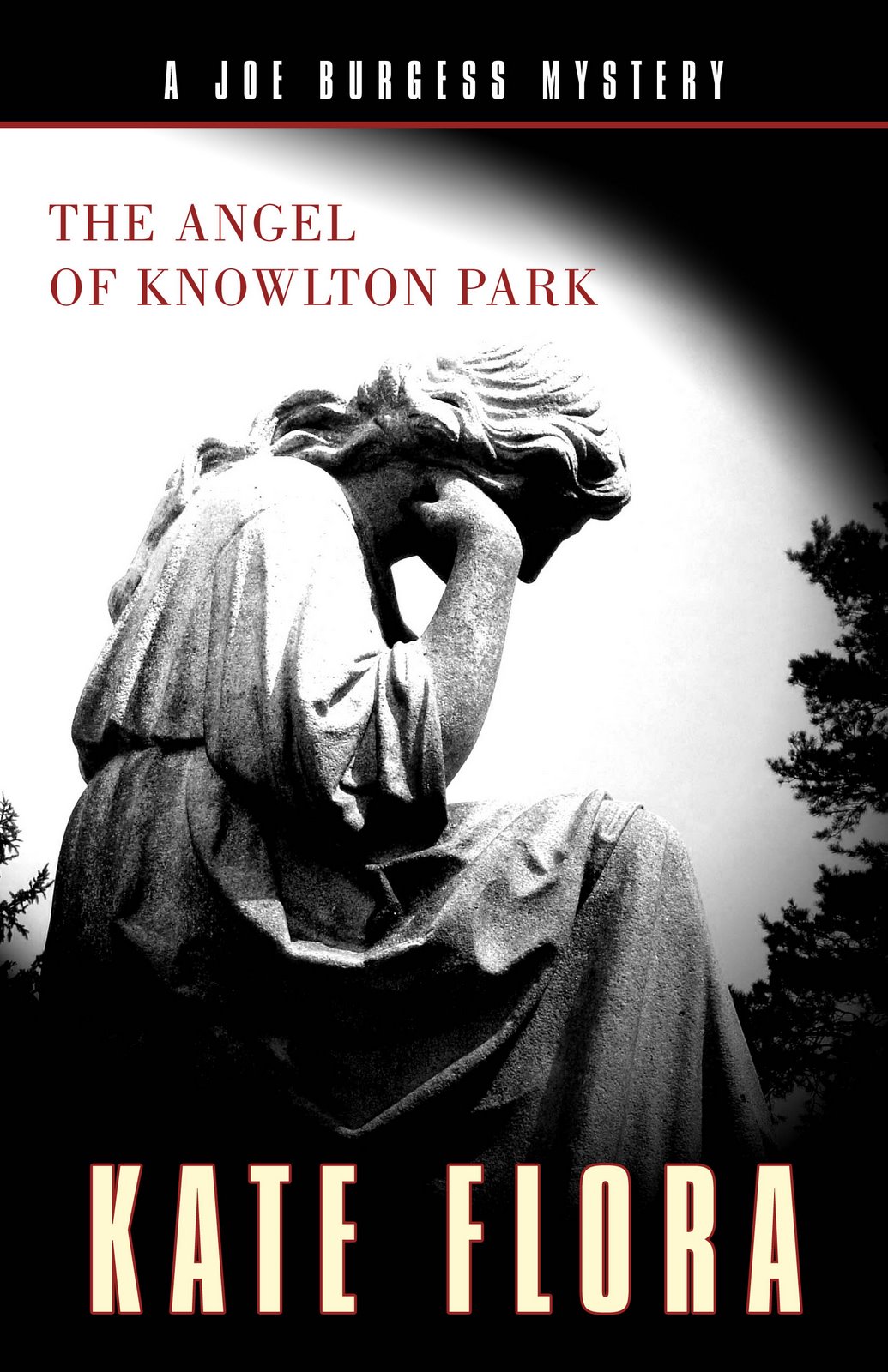
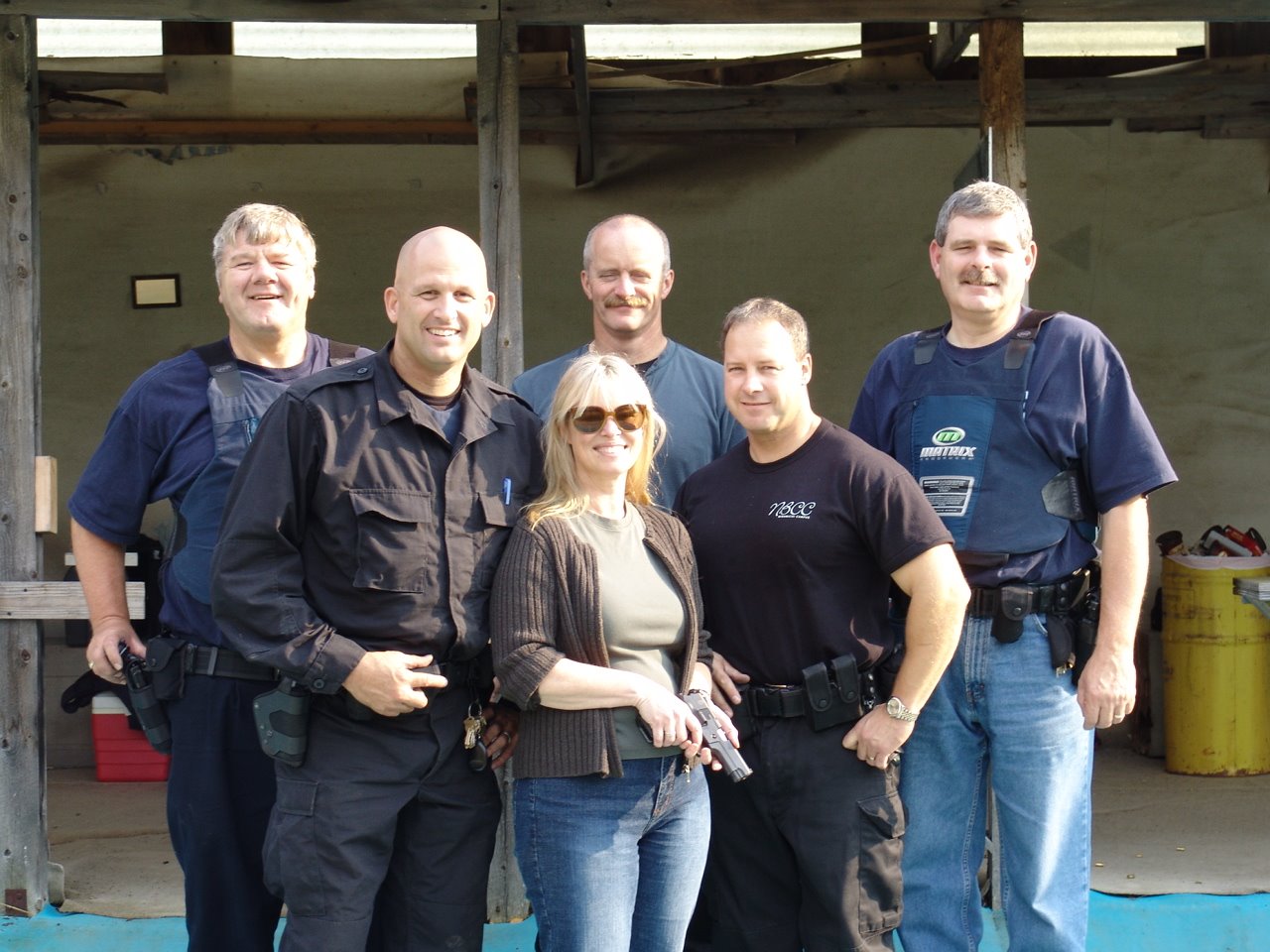
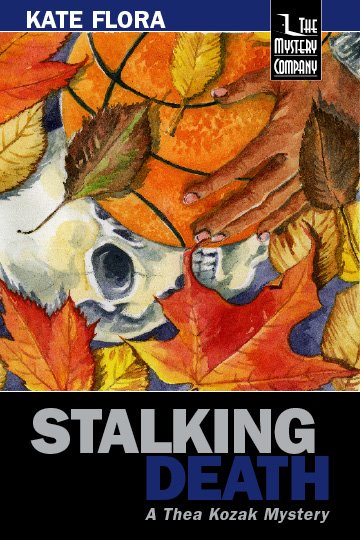
JULIA SPENCER-FLEMING: Kate Flora is a tiny woman with a giant presence in the world of crime fiction. Kate turned to writing after a career in the Maine Attorney General's office. Her books include seven “strong woman” Thea Kozak mysteries and three
gritty police procedurals in her star-reviewed Joe Burgess series. Her true
crime, Finding Amy, has been optioned for a movie. She's a Goddess - a retired president of Sisters in Crime. She's one of the moving forces of the New England chapter of the Sisters in Crime. And she's a writer who continues to... dream.
JULIA SPENCER-FLEMING: Kate Flora is a tiny woman with a giant presence in the world of crime fiction. Kate turned to writing after a career in the Maine Attorney General's office. Her books include seven “strong woman” Thea Kozak mysteries and three
gritty police procedurals in her star-reviewed Joe Burgess series. Her true
crime, Finding Amy, has been optioned for a movie. She's a Goddess - a retired president of Sisters in Crime. She's one of the moving forces of the New England chapter of the Sisters in Crime. And she's a writer who continues to... dream. 
When I was growing up on a chicken farm in a small Maine
town, money was often tight. Bill collectors really did knock on the door,
sometimes the phone got turned off, and there was a large hole in the bathroom
floor waiting for the money to get it fixed. We stapled plastic over the
windows to keep out the drafts. We grew our own food and budgeted things down
to the last cent. Our refuge was books. Books and the Sears and Roebuck
catalogue.
When that enormous, thick book would arrive in the spring
and the fall, I could let my child’s imagination run. What would my summer
wardrobe be like? With my 4-H  training, I knew about mixing and matching, and I
would design the perfect combination of pants and shorts and tops. My wardrobe squared away, I could turn to furnishing my someday house. What thick, fluffy
towels I would want. What color sheets. What my rugs and furniture would be
like. Not having too much was likely a blessing. I didn’t get to waste my time
shopping, except in my imagination. It is that imagination, tuned up as a
mechanism for entertainment and escape, for imagining other worlds and other
lives, that has led me, as an adult, to create the worlds of my fiction
training, I knew about mixing and matching, and I
would design the perfect combination of pants and shorts and tops. My wardrobe squared away, I could turn to furnishing my someday house. What thick, fluffy
towels I would want. What color sheets. What my rugs and furniture would be
like. Not having too much was likely a blessing. I didn’t get to waste my time
shopping, except in my imagination. It is that imagination, tuned up as a
mechanism for entertainment and escape, for imagining other worlds and other
lives, that has led me, as an adult, to create the worlds of my fiction
 training, I knew about mixing and matching, and I
would design the perfect combination of pants and shorts and tops. My wardrobe squared away, I could turn to furnishing my someday house. What thick, fluffy
towels I would want. What color sheets. What my rugs and furniture would be
like. Not having too much was likely a blessing. I didn’t get to waste my time
shopping, except in my imagination. It is that imagination, tuned up as a
mechanism for entertainment and escape, for imagining other worlds and other
lives, that has led me, as an adult, to create the worlds of my fiction
training, I knew about mixing and matching, and I
would design the perfect combination of pants and shorts and tops. My wardrobe squared away, I could turn to furnishing my someday house. What thick, fluffy
towels I would want. What color sheets. What my rugs and furniture would be
like. Not having too much was likely a blessing. I didn’t get to waste my time
shopping, except in my imagination. It is that imagination, tuned up as a
mechanism for entertainment and escape, for imagining other worlds and other
lives, that has led me, as an adult, to create the worlds of my fiction
I decided to set practicing law aside and try my hand at
writing mysteries when my younger son, Max, was born and I decided to be a
stay-at-home mom. I bought a computer and began writing a law school mystery, A Matter of the  Will. This week, Max got
engaged. Next week, he turns thirty. I spent the first ten years of his life,
and the first ten of my dedicated writing career, in the unpublished writer’s
corner. My early years of delayed gratification, spent imagining and enjoying
the possibilities, and to keep forging ahead without reward, served me well
during those years.
Will. This week, Max got
engaged. Next week, he turns thirty. I spent the first ten years of his life,
and the first ten of my dedicated writing career, in the unpublished writer’s
corner. My early years of delayed gratification, spent imagining and enjoying
the possibilities, and to keep forging ahead without reward, served me well
during those years.
 Will. This week, Max got
engaged. Next week, he turns thirty. I spent the first ten years of his life,
and the first ten of my dedicated writing career, in the unpublished writer’s
corner. My early years of delayed gratification, spent imagining and enjoying
the possibilities, and to keep forging ahead without reward, served me well
during those years.
Will. This week, Max got
engaged. Next week, he turns thirty. I spent the first ten years of his life,
and the first ten of my dedicated writing career, in the unpublished writer’s
corner. My early years of delayed gratification, spent imagining and enjoying
the possibilities, and to keep forging ahead without reward, served me well
during those years.
It’s nearly twenty years since my first Thea Kozak
mystery, Chosen for Death, was
published, and I am still finding that those early years of learning to enjoy
the  possibilities serve me well. In 2007, Finding Amy, the true crime book I co-wrote with Portland’s Deputy Chief Joseph K.
Loughlin, was nominated for an Edgar. I woke to find my e-mail queue jammed
with congratulations. It was a wonderful moment, and I got to have the months
between learning of the nomination and the night of the Edgars to bask in the
honor and enjoy the recognition of my peers. I never cared whether I won or
lost, just like I really never cared whether I would get those clothes or that
furniture from Sears. I got to enjoy the moments and feel the pleasure.
possibilities serve me well. In 2007, Finding Amy, the true crime book I co-wrote with Portland’s Deputy Chief Joseph K.
Loughlin, was nominated for an Edgar. I woke to find my e-mail queue jammed
with congratulations. It was a wonderful moment, and I got to have the months
between learning of the nomination and the night of the Edgars to bask in the
honor and enjoy the recognition of my peers. I never cared whether I won or
lost, just like I really never cared whether I would get those clothes or that
furniture from Sears. I got to enjoy the moments and feel the pleasure.
possibilities serve me well. In 2007, Finding Amy, the true crime book I co-wrote with Portland’s Deputy Chief Joseph K.
Loughlin, was nominated for an Edgar. I woke to find my e-mail queue jammed
with congratulations. It was a wonderful moment, and I got to have the months
between learning of the nomination and the night of the Edgars to bask in the
honor and enjoy the recognition of my peers. I never cared whether I won or
lost, just like I really never cared whether I would get those clothes or that
furniture from Sears. I got to enjoy the moments and feel the pleasure.
A week ago, I got an e-mail from my friend Lea Wait,
congratulating me on being a finalist for the Maine Literary Awards. A few
minutes later, I got the official notice. Redemption,
the third book in my Portland, Maine police procedural series, was one of three
finalists. Once again, I  am enjoying the moment and appreciating the fact that
my book has been recognized. I’m in very good company with fellow nominees Paul
Doiron and Katherine Hall Page. Both of them my friends. Both excellent
writers. But right now, I’m kind of wishing I could just skip the awards
ceremony in Portland on May 30th, because I am enjoying the here and
now. I’m enjoying the possibilities. The maybe a new line in my bio. Maybe a
sticker to slap on the book jacket.
am enjoying the moment and appreciating the fact that
my book has been recognized. I’m in very good company with fellow nominees Paul
Doiron and Katherine Hall Page. Both of them my friends. Both excellent
writers. But right now, I’m kind of wishing I could just skip the awards
ceremony in Portland on May 30th, because I am enjoying the here and
now. I’m enjoying the possibilities. The maybe a new line in my bio. Maybe a
sticker to slap on the book jacket.
am enjoying the moment and appreciating the fact that
my book has been recognized. I’m in very good company with fellow nominees Paul
Doiron and Katherine Hall Page. Both of them my friends. Both excellent
writers. But right now, I’m kind of wishing I could just skip the awards
ceremony in Portland on May 30th, because I am enjoying the here and
now. I’m enjoying the possibilities. The maybe a new line in my bio. Maybe a
sticker to slap on the book jacket.
I’m also enjoying the certainty—that a shy, bookish chicken
farmer’s daughter from a small Maine town, who devoured books from the Vose
Library and dreamed of being a writer, has become one.
You can find out more about Kate and her books at her website. You can follow her on Twitter as @kateflora, and she also blogs at Maine Crime Writers.