
RHYS BOWEN: one of my favorite parts of writing is the research. It's like going down a rabbit hole every time. I'm looking for one thing and suddenly I discover something else you hadn't considered or thought about before and suddenly you have a new aspect of the story! It's always an absolute gift.
I have a new book coming out at the beginning of August. WHERE THE SKY BEGINS. It’s another WWII book, this time set in England, close to a bomber command base where the young men took off for Germany every night and half of them didn’t return in the morning. That meant they were courting death every day, making the most of even the most simple of pleasures, knowing it might be their last.
 So how did I come up with this story? Little did I know that what I was doing as research for one story would the catalyst for another. Well, you can thank my friends Penny and Roger Fountain for that. They are old and dear friends (we were in college together. I shared a flat with Penny when she met Roger. We’ve stayed in touch over the miles, when they moved to Canada and then came back to England. Since then I’ve stayed with them every time I’m over there. Roger converted an old stables into a fabulous house for them in Lincolnshire.
It’s the flattest part of the country, rather like Holland with fields below sea level separated by dykes and channels of water. The sky is enormous and you can see church spires miles away. Because it is so flat, and it faces the coast of Europe, most of the bomber bases were established there, including the USAF bases when they joined the war.

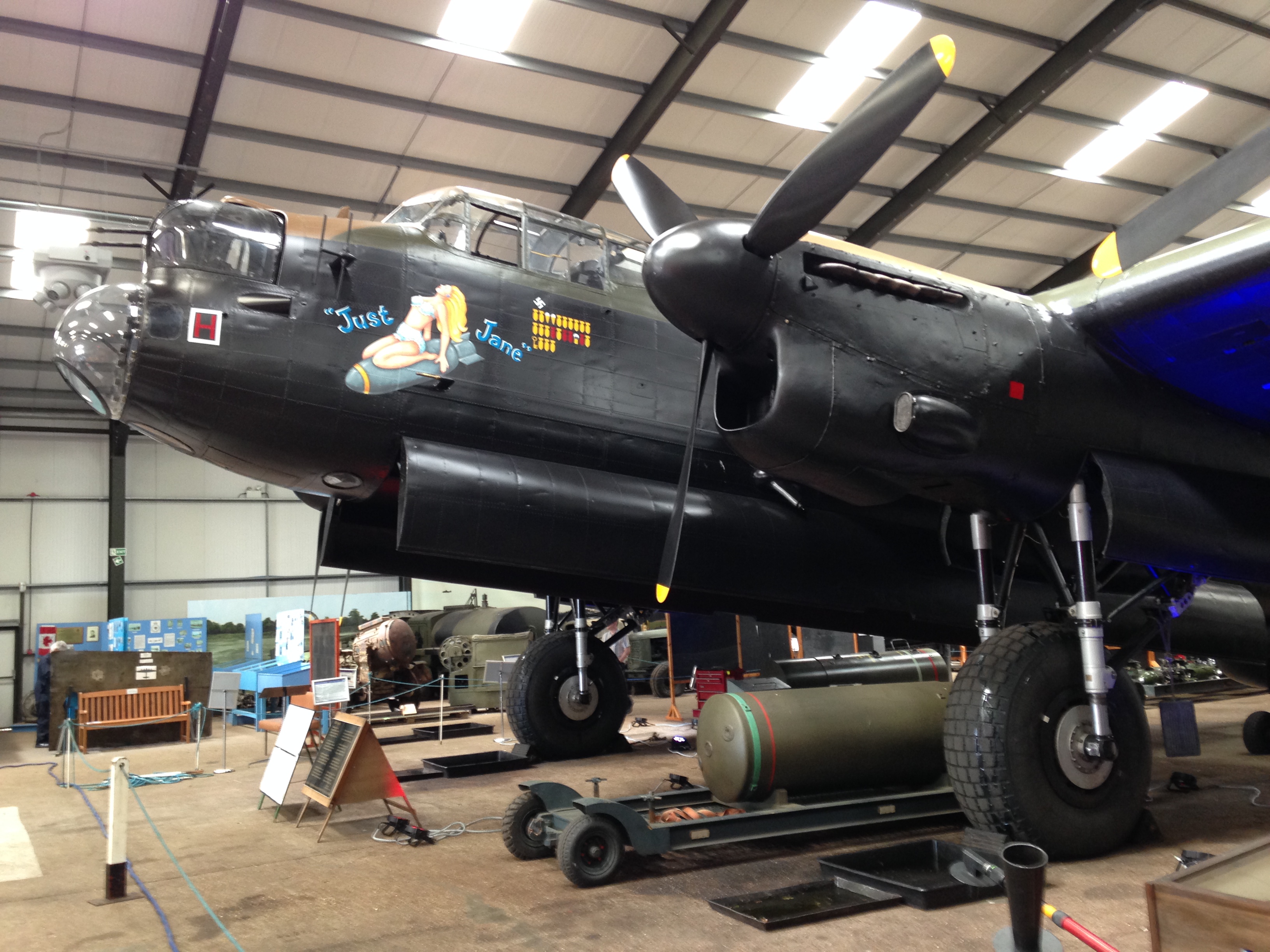 When I was writing THE TUSCAN CHILD Roger and Penny took me around several of the old air bases that are now preserved as museums. We saw a Blenheim Bomber in flight (which featured in the Tuscan Child). I was able to climb up into a Lancaster bomber. I examined parachutes, flight suits, helmets and letters home, often written by men who did not return. And during those visits I found out that the survival rate for a bomber crew was 50 percent. As a new pilot or radio operator or gunner you were lucky if you made it through six weeks. That really stuck with me—and yet young men kept volunteering, knowing how slim their chances were. One of my characters says He’d rather do something proactive than be a sitting duck on the ground.

So these young men haunted me and I realized that I wanted to write about them. How to tackle the story? I didn’t want to write the traditional brave and foolhardy pilots story from a male point of view. So the story focuses on a woman who is evacuated to the countryside, right next to one of these bases. Her home has been bombed. She’s been rescued from the rubble with nothing. How do you start again when you don’t even have the basic necessities of life?
Well, if you are Josie you make the best of it. You survive against all odds and you work at making life a little better for those young men, only to find there may be a spy in their midst.
I get letters about my WWII books asking why the story couldn’t have ended happily. Couldn’t Leo have survived? They ask about the Venice Sketchbook. And little Hanni and the countess?
Well, the simple answer is that there wouldn’t have been much of a story if it had all ended well. There would have been no need for Caroline to find out her aunt’s secret history. But also we have to face the fact that many stories about war do not end happily. There is senseless killing, lives and homes destroyed, survivors who will never be the same again. That is why I continue to write about it, to remind people of the awful consequences of extremism and war.
When you read Josie’s story in three weeks from now, let me know what you think.








