
With the new year just inches away, I thought it would be a perfect time to invite her to share her advice on living creatively.
GAIL PASTERNACK: Before the pandemic, I sat in a Portland Pearl District café with my friend Willa. While I breathed in the scent of roasting coffee and baking pastries, she sipped her green tea.
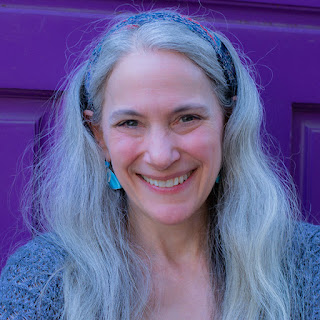
As far as I knew, Willa epitomized success as a writer and an artist. She’d published five poetry anthologies, had shows at the Oregon Jewish Museum, and traveled the world to conduct writing workshops. I didn’t know she had clients.
The waitress placed a croissant in front of Willa and a cheese tart in front of me.
“I’m a psychotherapist,” Willa said after the waitress left. “My specialty is helping people find creative outlets. You’d be surprised at how many people need art in their lives.”
I took a bite of my tart and savored the tang of the creamy goat cheese. “Makes sense,” I said as I wiped the buttery pastry off my hands. “What a great focus.”
This meeting with my friend got me thinking about just how much I needed art in my life.
When I lived in New York City, I enjoyed live music, dining out, and visiting art museums. That was until I had children and had little time for artistic outlets. I’d eke out a few minutes to experiment with creative writing, which was wonderful, but not enough.
After moving cross country, one evening, my husband and I attended a fundraiser for the Portland Symphony Orchestra. It was tango night, and local dance instructors had come to demonstrate and teach. My husband and I didn’t know what we were doing but had a blast trying. That was almost twenty years ago, and we’re still dancing tango.
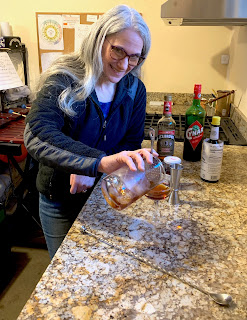
Since then, I have embraced jazz singing, the art of creating cocktails, and storytelling. I became so passionate about telling stories that I trained for two years and became ordained as a Maggidah (Jewish storyteller) this past summer.
Of all artforms, I love writing most. After publishing several short stories and articles in literary magazines, I’m truly excited about the recent completion of my first novel’s manuscript, which I couldn’t have done alone. Fellow writers and book coaches, all of whom I found through the Willamette Writers community, helped me develop my craft. I’m so grateful for Willamette Writers that I now volunteer as president of its board of directors.
With each new art form I explore, my life gets richer. Since it’s hard to know where to begin a creative path, I wrote my e-book, Living Creatively, and I share my creative endeavors in my monthly newsletter, Gail’s Art Encounters. I hope to inspire others to find art in everything they do.
Now is the perfect time to celebrate life to its fullest by living creatively. You can sign up for my newsletter and download my free e-book at my website, gailpasternack.com.
Come join me, and together we can find joy in art everyday!
HALLIE: I agree! It's the perfect time to add a twist to your New Year's resolutions, inspired by what gives you joy. Jazz singing isn't in my wheelhouse, but storytelling and cocktail making certainly is. Though not at the same time. Tango is out, but Western line dancing... Now there's a thought.
What about you? What might you add to your life to bring you joy in the new year?








