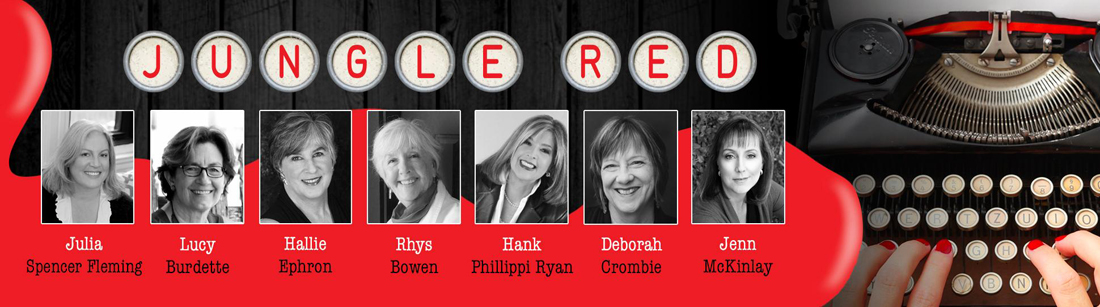
 HANK PHILLIPPI RYAN: We LOVE debut authors! And we are always eager to introduce you. Today, Lucie Smoker, who lives with her husband and two sons on the great North American prairie. She won me over then she said she "turns caffeine into stories." A girl after my own heart.
 A Book as Community
More than plot and characters, a good book opens up a
Pandora's box of fresh ideas to you, the reader. Set them loose in your mind
and you hope to find some piece of wisdom, an attitude or a fresh direction for
your afternoon jog ... but where do those fresh ideas begin? How do we make them explode on the page? Writers often portray process as an
almost-magical event: scenes come to us complete; animated characters start talking; and 86,000
words later, a novel? Not so easy.
I can only
speak for myself, but in my humble experience, writing comes out of
community.
I meet people who inspire a twist,
a smile, a snide comment—and yes maybe that comment comes out as part of a
complete scene—but that smile was born from someone I met twenty years ago or
last week. That plot twist may
have come from an experience I had on a trip to Guatemala, a three-week
research dive into drug cartels, or an article I read in the Quilting News.
To assemble
all of these Polaroid-like moments into a novel, I have to have a vision, a
plan. And I need some help.

“Inklings,”
the most famous writing club from Oxford, sported CS Lewis, JRR Tolkien, Roger
Lancelyn Green, and others reading aloud and then offering constructive
criticism of the work. Such critiques from other writers can elevate
or emaciate a scene, but the suggestions don't always feel good when you first
hear them. No matter how tactfully it's
presented, a critique can bruise your confidence. Thus, the Inklings often met on Tuesdays--at
a local pub.
 |
|
Lucie (far right) with members of her writing
club at a conference.
|
My own local writing club also
meets at a university, though not at the pub—at least not yet. We most often share techniques on the craft
of writing, we read our work and critique.
The ladies and one gentleman normally share everything they loved about
that story or poem. Then if the scene
didn't work, one of the ladies will gently say, in the nicest way possible,
that maybe that story “wasn't my style” or perhaps they were just “waiting for
something to happen.” Even sugar-coated,
the negatives sting.
 |
|
Maxine still participates at 103.
|
They say that
Truman Capote critiqued like a subtle knife. My online club is my personal
Capote. Everyone's
anonymous. When I post a story in that
critique room, I have already read their agreement stating that, yes, I do want
to hear their honest opinions. I put up
my scene and leave that page as fast as I can.
A few hours later, I return to find that someone has either sliced and
diced my story more efficiently than a set of Ginsu knives, left a recipe for
the proper use of a semi-colon, or maybe garnished me with a tidbit of
praise. I'm most grateful for the
slicers. When I get over the shock, I
actually take a good look at their suggestions.
I learn something. My scene
starts cooking.
The most
resounding piece of critique I ever received was from a reader. Writers often invite strangers to read their
works-in-progress and offer personal reviews.
We call them “beta-readers.” One
such reader, frustrated that I had not described the setting of a scene in
Chapter 13 wrote:
“Lucie,
I like the fast pace, but please, when we enter a scene, tell me what it looks
like, what it smells like--and who is sleeping with who.”
 My debut book DISTORTION would never have been the
same without Sharon. We ended up meeting
over lunch to discuss the story and characters.
Other friends taught me how to shoot an AK-47, why skaters can execute a
powerslide on a wooden porch, and what defines the mystical relationship
between a twenty-something woman and her cell phone. When I look at the pages, I see my community.
My debut book DISTORTION would never have been the
same without Sharon. We ended up meeting
over lunch to discuss the story and characters.
Other friends taught me how to shoot an AK-47, why skaters can execute a
powerslide on a wooden porch, and what defines the mystical relationship
between a twenty-something woman and her cell phone. When I look at the pages, I see my community.
Tell us your
book-community stories. How did you help
a writer or receive help with a book?
*****************************************
Lucie Smoker's imagination grew up at
a Little House on the Prairie and at 221B Baker Street. Her best friends
were her little sister Minnie, The Hardy Boys and the Count of Monte
Cristo. Like them, her life followed a path of adventure, sometimes
intrigue. Then she fell in love and found home down a long, empty
road.
Distortion is a mystery about an artist who paints a crime scene in reverse
perspective and turns a murder investigation backwards--onto her friends.
The FBI asks her to spy on them, for her country. Adele refuses ... until
someone starts killing them. Now she'll use the FBI, the clues--even her
friends--to save them.
Distortion is
out as of Oct 30 in all formats, Here's its Amazon page: