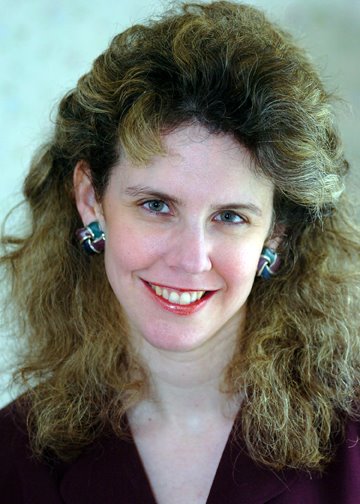
RHYS BOWEN: Since I write historical fiction I have to do a lot of research. It is important to get everything right. I don't know about you, but if I find one glaring error, that's the last I read of that book. Like a train coming into the wrong station in London, or calling the king "Your Highness." yes, I've read both.
I am always fascinated with the way other writers do their research. I can remember driving to the library and asking for help from the reference desk. So I was interested to see that Vincent O'Neil's experiences mirrored my own. We're happy to welcome him to Jungle Red Writers today.... take it away Vinnie!
VINCENT O'NEIL:
VINCENT O'NEIL:
When I first started writing, it was on a manual typewriter.
I used the card catalog and the microfiche reader at the library to do
research, in a process that was time-consuming and often ineffective. If I needed
inspiration for setting the mood in a story, I would usually read the works of other
authors who had written about a place or situation similar to the one I hoped
to depict.
I can’t say I miss the card catalog and the microfiche
reader very much; after all, it took some leg work to go and find the right
book or journal, and the search often turned up items that didn’t match their
descriptions. As for setting the mood by reading the writing of others, even
when that worked it felt more like imitation than inspiration.

When I’m approaching a topic about which I know nothing, I
usually try to find one of the “Idiot’s Guides” because they’re usually such
excellent sources of fundamental information. For example, when I started
researching my theater-themed murder mystery Death Troupe, I began with a copy of The Complete Idiot’s Guide to Amateur Theatricals. I slowly worked
my way up to reading the memoirs of some famous directors, but the
nuts-and-bolts understanding of the stage that I got from that particular
Idiot’s Guide was invaluable.
Death Troupe is
set in the Adirondack region during the wintertime and, while I had visited the
area years before, my personal knowledge of that part of the world was dated. I
wanted to set the story in a small town, but I didn’t know much about the
organization of such a place, beginning with what kind of local businesses they
might have. Thanks to the Internet, I could view the entire region as either a
map or a very detailed satellite photograph. That helped me to find a few towns
and villages that resembled the place I wanted to invent, and then by looking
up the webpages for those towns and villages I easily got an idea of common businesses
and industries.

Photographs on those websites were also very helpful, both
for suggesting exciting locations such as an old fire tower on a tall hill and
for stirring up ideas regarding the general atmosphere of the town that would
be in my book. Later on I ran into difficulty describing a cross-country skiing
lesson, even though I had once been pretty good at that sport. It was important
to get the sequence of actions right, describing how weight shifts from ski to
ski and the way the poles are used for balance. I’d forgotten exactly how that
all worked, and yet a YouTube video of basic cross-country skiing techniques
brought me back up to speed in no time.
I’ve always believed that research can lead to great
inspirations, and just getting back in touch with that part of the world
reminded me of impressions I’d had years earlier while also suggesting new ways
of looking at the locale. From videos and still photographs to town websites
and community newsletters, a wealth of information was literally at my
fingertips.
When I was writing my horror novel Interlands, I decided to include a haunted hayride. The already-frightening
experience of rolling past scary scenes, complete with gory special effects and
live actors in disturbing costumes, was to be made even creepier by
supernatural elements intruding on the main character’s perceptions. The
problem was that I had never been on one of those hayrides. Once again YouTube
videos came to the rescue, not only showing real haunted hayride attractions as
they played out, but also describing some of the behind-the-scenes work that
helps to make the experience so unsettling. Just by watching those videos, I
was able to get a feel for at least part of the mood I wanted to create. I also
got some great ideas for spooky stations along the route of the hayride and the
ways they could be made even more terrifying by the involvement of supernatural
influences.
None of these techniques is meant to take the place of
actually visiting or experiencing the locations and activities we seek to
describe. However, they certainly helped me in that they augmented what I
already knew (or thought I knew) and often provided me with fresh ideas.
In closing, I’d like to repeat that some of the information
found on the Internet is not accurate, and so it’s important to check anything
we decide to present as being realistic or factual. But for conducting
background research, gaining inspiration, and just helping to generate a mood
similar to the one we hope to create, I’ll take the technology available to us
now over the microfiche reader any day.

Vincent H. O’Neil is the Malice Award-winning author of the
Frank Cole mystery series, the theater-themed mystery Death Troupe, and the horror novel Interlands. His military science fiction novel Glory Main (written as Henry V. O’Neil) was published by
HarperVoyager in July and the sequel, Orphan
Brigade, is set for release in January, 2015. Please visit his website www.vincenthoneil for reviews, sample
chapters, and important links.
RHYS: So Reds--what's the most interesting or unusual piece of research you have done? I remember riding a train up a Welsh mountain, looking out of the window for the best place to push someone to their death. When I found the perfect place, and shared this info with my husband, I noticed the train car had gone very quiet and people had moved as far away as possible!
And readers--has there been one glaring error that has made you stop reading a book?
And readers--has there been one glaring error that has made you stop reading a book?