
Some seem to just open a vein (or throw up, pick your metaphor) and let the words and ideas flow onto the page. Write, fast and furious. For them, editing is an act of cutting and shaping.
I'm one of those people who prefer a jig to a waltz, a stride to a stroll, and like to punch a thought home rather than peel it like an onion. When I'm in the groove, I write in quick brush strokes. I lay down the words and sentences that I like to think are like my hands -- short and stubby, capable of getting work done without a lot of fuss and bother.
So when I think I’ve outlined most of a 300-page novel, why am I invariably surprised when I run out of plot, writing page 150. Editing, for me, is adding. Reading the manuscript out loud to myself makes it easier to spot the boring, redundant parts, and helps me find where, in my haste to get to THE END I've shortchanged characterization.
As impatient as I am as a writer, I’m moreso as a reader. I get annoyed with storytellers who double back on themselves, who repeat themselves as I am doing now (saying the same thing twice... make that three times in the same sentence!) I want to whack them upside the head and say, All right already, we get the point.
I remember, years ago I interviewed a bestselling mystery writer for a magazine profile I was writing. I so admired her work, and I was sure that she had some magic formula to share with me for getting it right the first time.
Then she told me about the manuscript she’d finally finished (she'd had to check herself into a hotel for a week to get the final chapters written) and shown to her agent.
As impatient as I am as a writer, I’m moreso as a reader. I get annoyed with storytellers who double back on themselves, who repeat themselves as I am doing now (saying the same thing twice... make that three times in the same sentence!) I want to whack them upside the head and say, All right already, we get the point.
I remember, years ago I interviewed a bestselling mystery writer for a magazine profile I was writing. I so admired her work, and I was sure that she had some magic formula to share with me for getting it right the first time.
Then she told me about the manuscript she’d finally finished (she'd had to check herself into a hotel for a week to get the final chapters written) and shown to her agent.
Back from the agent came this directive: “Ditch the first sixty pages.” The agent felt the first sixty pages were all back story, and made for a sluggish beginning. Ditch them, she advised, and feather in whatever the reader needed to know, when the reader needed to know it.
Great advice. And I often give something similar to that to the aspiring writers whose work I am privileged to read. Especially when they’re writing for mystery readers who are notoriously impatient.
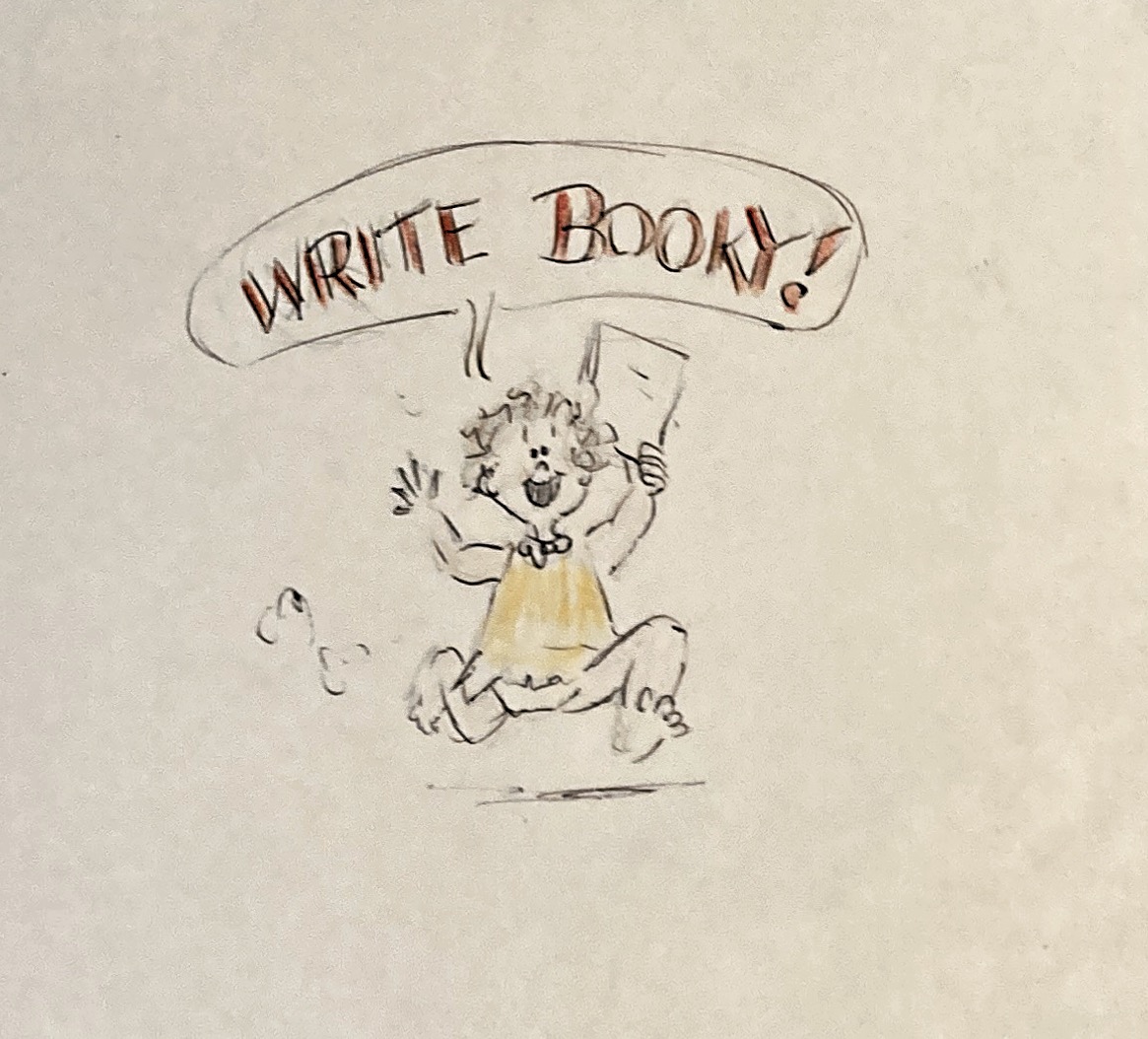
The best advice I can give to aspiring writers is: just get the darned thing written. Then worry about making it sing.
So are you an impatient reader, or do you slog on, reading even when the writer insists on telling you stuff you've already surmised or perhaps don’t need to know yet? And does how much you’ll tolerate differ when you’re listening to versus silently reading a book?
Great advice. And I often give something similar to that to the aspiring writers whose work I am privileged to read. Especially when they’re writing for mystery readers who are notoriously impatient.
The best advice I can give to aspiring writers is: just get the darned thing written. Then worry about making it sing.
So are you an impatient reader, or do you slog on, reading even when the writer insists on telling you stuff you've already surmised or perhaps don’t need to know yet? And does how much you’ll tolerate differ when you’re listening to versus silently reading a book?








