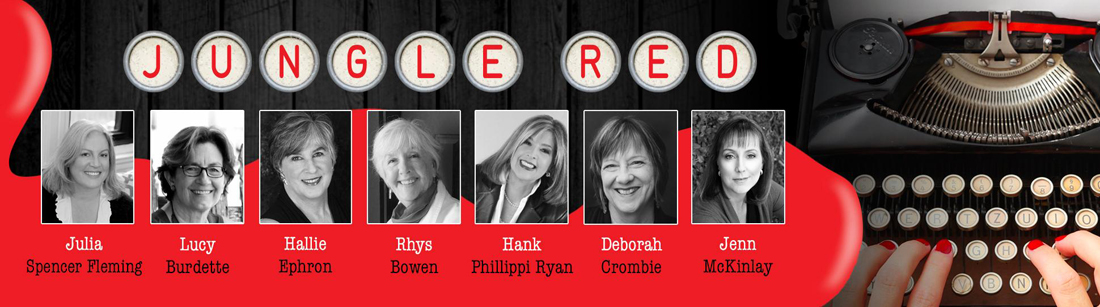
Anachronism: a thing belonging or appropriate to a period other than that in which it exists, especially a thing that is conspicuously old-fashioned. Often an anachronism is an object misplaced in time.HALLIE EPHRON here, kicking off WHAT WE’RE WRITING WEEK. My work in progress has three generations of women in it, so I try to keep in mind their three different frames of reference.
Their past shapes everything about them--how they dress, their memories, dreams, their word choice, frustrations and passions, and on and on.
For instance, the grandmother, a baby boomer, came of age in the 60s. She was a hippie who hung out in the Haight. Her granddaughter has no clue who Janis Joplin was. Her grandmother, in turn, has no idea who Megan Thee Stallion is. The granddaughter cringes when her grandmother talks about "dialing" the phone or "taping" a TV show.
As I try to keep each of their frames of references sorted, I'm reminded of an article in the New Yorker entitled “Frame of Reference” written by John McPhee. He talks about going into a high school class of nineteen students and asking them to raise their hands if they recognize each name or place as he read it from a list of more than 50 items.
Here's his list - read it and mentally tick off the ones your recognize:
Woody Allen
Muhammad Ali
Joan Baez
James Boswell
David Brower
Richard Burton
Winston Churchill
Truman Capote
Jack Dempsey
Denver
Jackie Gleason
Hallmark cards
“Hamlet”
Mexico
Samuel Johnson
Rupert Murdoch
Paul Newman
Vivien Leigh
Sophia Loren
Barack Obama
Laurence Olivier
Sarah Palin
George Plimpton
Princeton University
Norman Rockwell
Mickey Rooney
Mort Sahl
Barbra Streisand
David Susskind
Elizabeth Taylor
Time Magazine
Toronto
If you're like me, you know them all. Well, almost all. (I had to look up David Brower. Shame on me for not knowing who he was.)
What about those high school students?
Eighteen had heard of Sarah Palin, Obama, Barbra Streisand, and Rolls-Royce. Seventeen Paul Newman. Eleven Elizabeth Taylor.
Only five had heard of Norman Rockwell, Truman Capote, or Joan Baez.
Three had heard of Rupert Murdoch, or Mickey Rooney.
Two had heard of Richard Burton and Laurence Olivier.
Just one for Vivien Leigh.
Not even a single one had heard of Jackie Gleason, David Brower, David Susskind, Jack Dempsey, George Plimpton, Sophia Loren, Mort Sahl, James Boswell, or Samuel Johnson.
I wondered how they’d do with Howdy Doody or Mark Rudd or Sandra Dee? Probably about as well as I do with today's musicians and actors who show up regularly in the New York Times crossword puzzle and in questions on Jeopardy.
Do you notice the characters' frames of reference in the books you're reading? Does it bother you when a character hums a rock 'n' roll tune in the 1950s or channels Abbott and Costello in the current day?
As I try to keep each of their frames of references sorted, I'm reminded of an article in the New Yorker entitled “Frame of Reference” written by John McPhee. He talks about going into a high school class of nineteen students and asking them to raise their hands if they recognize each name or place as he read it from a list of more than 50 items.
Here's his list - read it and mentally tick off the ones your recognize:
Woody Allen
Muhammad Ali
Joan Baez
James Boswell
David Brower
Richard Burton
Winston Churchill
Truman Capote
Jack Dempsey
Denver
Jackie Gleason
Hallmark cards
“Hamlet”
Mexico
Samuel Johnson
Rupert Murdoch
Paul Newman
Vivien Leigh
Sophia Loren
Barack Obama
Laurence Olivier
Sarah Palin
George Plimpton
Princeton University
Norman Rockwell
Mickey Rooney
Mort Sahl
Barbra Streisand
David Susskind
Elizabeth Taylor
Time Magazine
Toronto
If you're like me, you know them all. Well, almost all. (I had to look up David Brower. Shame on me for not knowing who he was.)
What about those high school students?
All nineteen of McPhee's ninth graders had heard of Woody Allen, Muhammad Ali, Time Magazine, Hallmark cards, Denver, Mexico, Princeton University, Winston Churchill, “Hamlet,” and Toronto.
Eighteen had heard of Sarah Palin, Obama, Barbra Streisand, and Rolls-Royce. Seventeen Paul Newman. Eleven Elizabeth Taylor.
Only five had heard of Norman Rockwell, Truman Capote, or Joan Baez.
Three had heard of Rupert Murdoch, or Mickey Rooney.
Two had heard of Richard Burton and Laurence Olivier.
Just one for Vivien Leigh.
Not even a single one had heard of Jackie Gleason, David Brower, David Susskind, Jack Dempsey, George Plimpton, Sophia Loren, Mort Sahl, James Boswell, or Samuel Johnson.
I wondered how they’d do with Howdy Doody or Mark Rudd or Sandra Dee? Probably about as well as I do with today's musicians and actors who show up regularly in the New York Times crossword puzzle and in questions on Jeopardy.
Do you notice the characters' frames of reference in the books you're reading? Does it bother you when a character hums a rock 'n' roll tune in the 1950s or channels Abbott and Costello in the current day?