

CR Isleib with his engineer corps in Wales, 1944
LUCY BURDETTE: World War 2 began when my father was in college. He wanted nothing more than to join the military and fight for what he thought was right. He left college in the middle of his four years to enlist, and spent his time in the army in an Army engineer corps that arrived in Europe shortly following D-Day. He bonded so powerfully with the men in his platoon, that I sometimes wonder if anything coming after that experience felt quite as meaningful. I thought it would be interesting to ask two of my favorite veterans, my husband John and brother Doug, some questions about military service and war and the meaning of Veterans Day.
Tell us a bit about your service, how you came to be in the military and how you think it might have shaped your life since.

DOUG ISLEIB: I served in the Marine Corps for 28 years, the first 20 as a pilot, primarily helicopters, and the last 8 managing Marine aviation acquisition programs. You’re right about our Dad’s pride in his Army service – he definitely was the driving force getting me to join the military, and specifically to apply to the Naval Academy, I’m pretty sure I would not have thought of it on my own! I loved being a Marine, (still do - the old once a Marine, always a Marine thing) and I loved flying. I had some interesting assignments, including being a flight instructor for fledgling Navy and Marine aviators, and serving as a Presidential Helicopter pilot for Presidents Reagan and Bush.
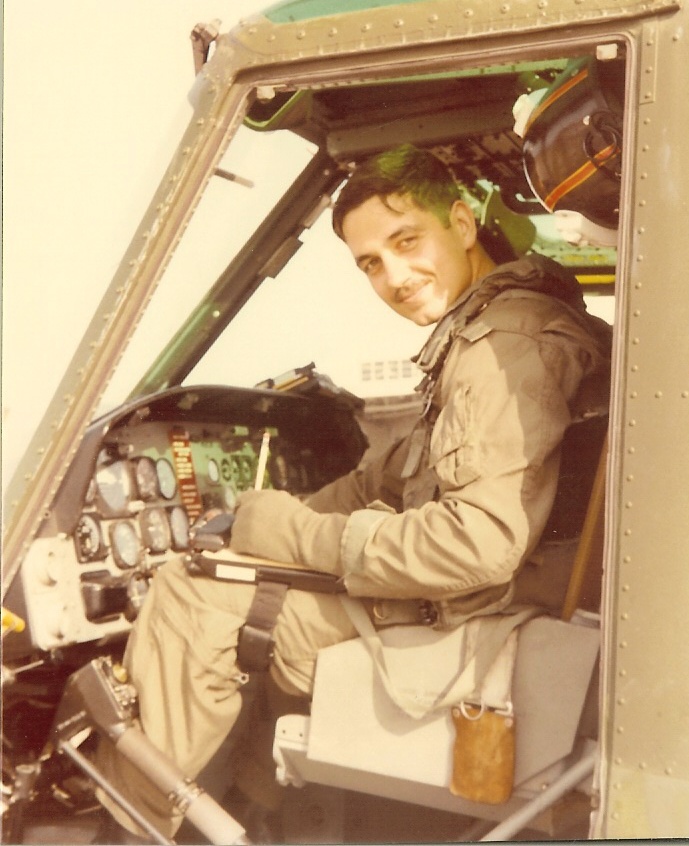
My favorite tours though, were being a Huey pilot and Marine officer in Marine Light/Attack helicopter squadrons. It’s a little hard to put into words without sounding pretentious, but the joy and challenge and pride in serving with a squadron of Marines, all unbelievably patriotic, mission-focused, self sacrificing and team oriented was an absolute privilege.
My time in the Marine Corps certainly did shape my life after retiring, both in the way I think and act and believe, and also the career opportunities to manage and support Marine aviation helicopter programs. I felt so lucky to manage the development, test and acquisition of the replacement aircraft for my beloved Huey!

JOHN BRADY: Thanks for asking, Lucy. Let me start by saying that this is a great day to honor all of those who have served to defend our country. I served, but mine was nothing compared to those who made greater sacrifices. (Pic to the right is John's dad Bud in his whites.)
I was in college in the late 60s and the Vietnam war was raging. So I went into Army ROTC, thinking at least if I had to go in I would be an officer, or maybe the war would be over before I graduated. Unfortunately it wasn’t. I entered active duty in the Signal Corps at Fort Gordon, GA. One day a clerk called me up and congratulated me on the orders sending me to Vietnam. I was desolate and considered going to Canada, because I thought the war was a terrible mistake, a judgement I think history has confirmed. Fortunately I was an administrator there and was never in any direct danger. My little joke is that if people ask what I did there I tell them that I commanded an LSD. I respond to their quizzical look by explaining that LSD stands for Large Steel Desk.
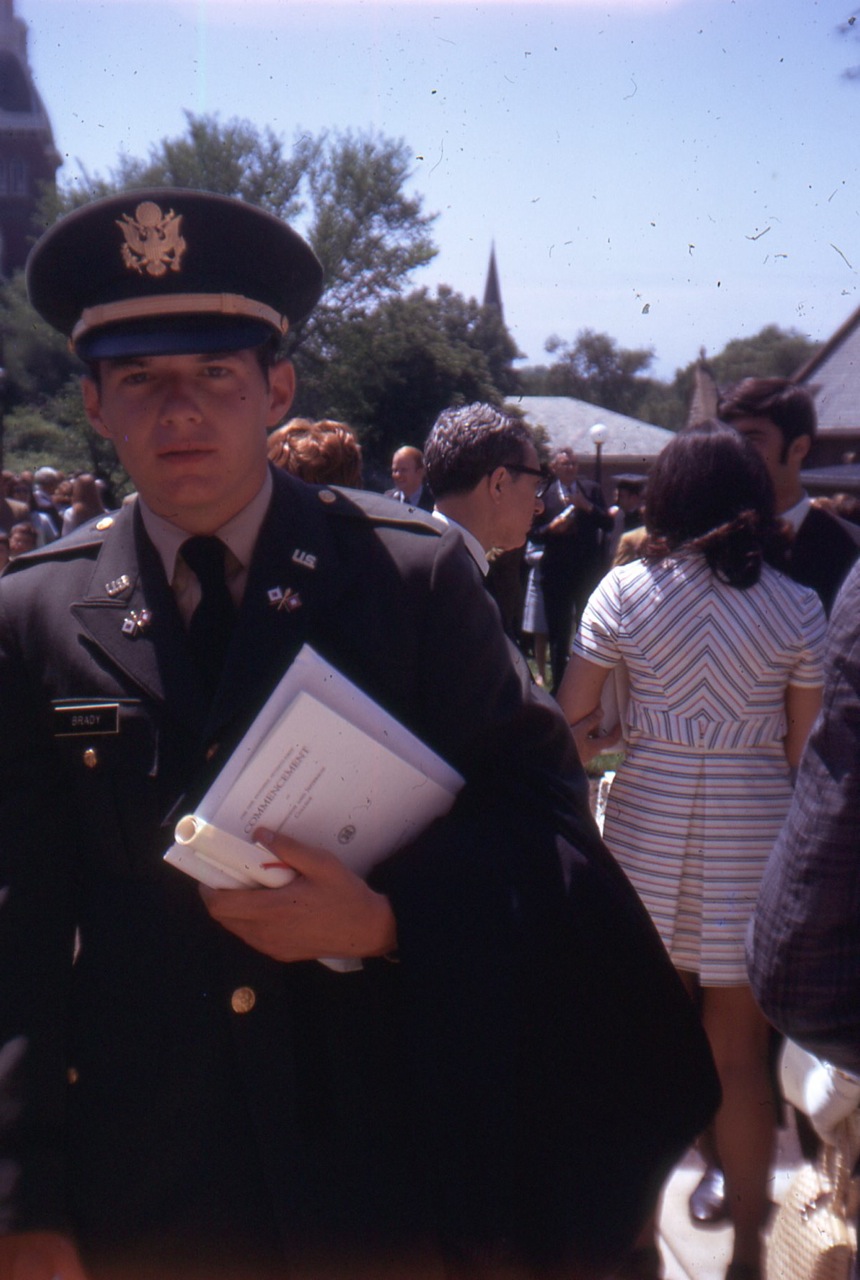
I learned a lot from the experience, maturing and becoming more responsible. I was exposed to people from all kinds of backgrounds, which helped to expand my view of the world. My tour actually included some great adventures, and afterwards I went to graduate school for international management. So the experience was life changing. That is one reason I am a proponent of universal service, as I think a year of service should be required of every 18 year old —military, teaching, or some type of community service.
LUCY: The war that many of us are watching closely is the terrible conflict in Ukraine. This makes me wonder: How would I possibly have the courage to serve my country the way those Ukrainians are? Possibly because they are fighting for their own country on their own soil, there seems less choice. There is no question about whether it’s right to defend their people, it’s either serve or watch the country get overrun by the Russians. I wonder what your thoughts are as you watch the Ukrainian conflict?
DOUG: I truly believe what you read over and over again in books written by folks who have served in combat, that while love of country and pride in service are strong motivators, and effective training is extremely important, in combat the single strongest motivator is to not let down your brothers and sisters fighting alongside you. Magnified many times over, the Ukranians fighting for their homeland have created an esprit and force that the Russians greatly underestimated.
JOHN: Your second question is timely. The Ukrainian war is an example to me of a “good” war, at least from the Ukrainian point of view. Same for WWII. My dad was on a Navy ship in the Pacific. The kamikaze planes terrified him, but he was proud to serve. Defending your country from an invasion is pretty concrete, ya gotta do it.
LUCY: These days, it seems like veterans and patriotism and love for our country have gotten all mixed up with the fractiousness of our politics. What would you hope for our country as we celebrate Veterans Day?
JOHN: Other wars are less clear cut. An impulsive decision can destroy millions of lives. Lately our track record hasn’t been so good. As citizens we need to elect leaders that will protect our country, but have the wisdom and self restraint not to get us into wars of adventure that destroy lives and end up in failure. Our servicemen and women are too precious to waste.
DOUG: On Veterans Day, I wish our country’s leaders and wannabe leaders truly take to heart the unbelievable sacrifices made by our nation’s warriors, and make service to our nation’s best interests their guiding light.
How about you Reds? Questions for our visiting veterans or comments about your experiences?








