JAN: When I was in what was then called Junior High, my best friend Karen had the most incredible social luck in the world. We’d be bored out of our minds on a hot summer day, and she’d turn and say, wouldn’t’ it be great if Jimmy came by and asked us all to go swimming in his pool? Within ten minutes, Jimmy would swing by with the invitation. Or if she wanted it to be Billy inviting us to a barbeque, Billy would appear. Okay, she was good looking and the boys loved her. Still, the specific nature in which her desires were met was uncanny.
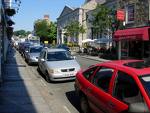
My friend Bob has the same kind of parking luck. If he’s driving and we're headed to Fenway park, a completely legal parking spot will suddenly appear before him in Kenmore Square. This happens no matter where we are and how crowded it is.
Personally, I have good luck at cards and have been unusually (even for a baby boomer) lucky at real estate.
In his bestselling book, Blink, Malcolm Gladwell attributes this kind of thing to some sort of intuitive form of intelligence. But I think it’s more fun to think of it as luck. So do you have any special kind of luck? (And be specific, no running on about how wonderful life is in general). And do you really think it's luck? Or is there another explanation?
HANK: Oh, I think this is one on the most interesting topics ever. Luck. I wonder about it all the time. Let's see. Is it--coincidence? All the things in the universe that can happen, and the one that helps you (we're talkin' good luck here) just occurs. Or the person you need. Or the thing you wished for.
I think Malcolm Gladwell was getting at--perception. Even subconscious perception. Which I think is brilliant.
But luck. I'm kind of partial to the: if you really open your mind, the thing will happen. On a practical and quotidian level, there WILL be a parking place. If you really need it. The size skirt you need but can't find is there, but mixed in with the other sizes. You just have to look. On a larger scale: The idea will come to you--but only when it's time.
I think three fast things about luck: You have to be open to it. You have to deserve it. And sometimes, you get what you need.
RO: Oh dear...if I really thought I had any special luck, I doubt that I would say so for fear of losing it.
JAN: Yes, but if it's card-playing luck, (and you aren't a gambler in the old west or a a poker star competiting in Las Vegas) the loss isn't all that great...
HALLIE: Here's the thing -- you have to be LOOKING for **a parking space** (or fill in the blank with anything else you might be looking for) in order to get lucky about finding one. Conversely, if you're looking for a reason to be miserable, you won't have too hard a time finding it, either.
JAN: Yes, I agree. In principle. But I'm often earnestly looking for a parking space, and I never find one. I always end up in the garage paying a fortune.
ROBERTA: I like two of Hank's 3 things about luck--being open to it, and getting what you need rather than what you might have believed you wanted. Not so sure about the deserving it part. Because there's a corollary I don't like--do folks who are unlucky deserve that? Maybe sometimes they've cultivated it, but most often not. I just try to be very grateful when it appears some luck has swung my way.
As for lucky me, I'm not in real estate. Most times when you sell a house, you get paid. Not me, having bought at the peak and selling in desperation in a troug h, I had to bring a check to the closing:). So I will rely on my husband's luck in that arena!
JAN: I like Hank's philosophy on luck, it's so optimistic, but I also think in some instances, there's something unsual going on -- whether it's magic or heightened perception, I'm not entirely sure. But I'm leaning toward magic.
My friend Bob has the same kind of parking luck. If he’s driving and we're headed to Fenway park, a completely legal parking spot will suddenly appear before him in Kenmore Square. This happens no matter where we are and how crowded it is.
Personally, I have good luck at cards and have been unusually (even for a baby boomer) lucky at real estate.
In his bestselling book, Blink, Malcolm Gladwell attributes this kind of thing to some sort of intuitive form of intelligence. But I think it’s more fun to think of it as luck. So do you have any special kind of luck? (And be specific, no running on about how wonderful life is in general). And do you really think it's luck? Or is there another explanation?
HANK: Oh, I think this is one on the most interesting topics ever. Luck. I wonder about it all the time. Let's see. Is it--coincidence? All the things in the universe that can happen, and the one that helps you (we're talkin' good luck here) just occurs. Or the person you need. Or the thing you wished for.
I think Malcolm Gladwell was getting at--perception. Even subconscious perception. Which I think is brilliant.
But luck. I'm kind of partial to the: if you really open your mind, the thing will happen. On a practical and quotidian level, there WILL be a parking place. If you really need it. The size skirt you need but can't find is there, but mixed in with the other sizes. You just have to look. On a larger scale: The idea will come to you--but only when it's time.
I think three fast things about luck: You have to be open to it. You have to deserve it. And sometimes, you get what you need.
RO: Oh dear...if I really thought I had any special luck, I doubt that I would say so for fear of losing it.
JAN: Yes, but if it's card-playing luck, (and you aren't a gambler in the old west or a a poker star competiting in Las Vegas) the loss isn't all that great...
HALLIE: Here's the thing -- you have to be LOOKING for **a parking space** (or fill in the blank with anything else you might be looking for) in order to get lucky about finding one. Conversely, if you're looking for a reason to be miserable, you won't have too hard a time finding it, either.
JAN: Yes, I agree. In principle. But I'm often earnestly looking for a parking space, and I never find one. I always end up in the garage paying a fortune.
ROBERTA: I like two of Hank's 3 things about luck--being open to it, and getting what you need rather than what you might have believed you wanted. Not so sure about the deserving it part. Because there's a corollary I don't like--do folks who are unlucky deserve that? Maybe sometimes they've cultivated it, but most often not. I just try to be very grateful when it appears some luck has swung my way.
As for lucky me, I'm not in real estate. Most times when you sell a house, you get paid. Not me, having bought at the peak and selling in desperation in a troug
 h, I had to bring a check to the closing:). So I will rely on my husband's luck in that arena!
JAN: I like Hank's philosophy on luck, it's so optimistic, but I also think in some instances, there's something unsual going on -- whether it's magic or heightened perception, I'm not entirely sure. But I'm leaning toward magic.
How about you?